
Zoeken op HDHL
Filters
The results are updated as soon as you change a filter.
101
results found for 'Diet, health and disease'.
- CirculAting Bile Acids as biomarkers of metabolic health - Linking microbiotA, Diet and Health
 Maternal and infant diets have long-term health effects, including obesity, allergies, and metabolic disorders. However, the exact molecular and cellular mechanisms through which dietary metabolites and contaminants impact health remain unclear.
 HDHL-INTIMIC was the second ERA-NET Cofund of JPI HDHL and launched its first call in 2017: Interrelation of the Intestinal Microbiome, Diet and Health. The call was funded by the EC and 8 countries. Supporting 11 research projects, the initiative concluded in December 2022, yielding significant new insights into how nutrition impacts health.
 The gut microbiome is vital for health; low diversity increases non-communicable disease risk. While diet modulates this, effects are highly individual. Understanding these diet-microbiota interactions is essential for personalized nutrition and reducing cardiometabolic disease risk.
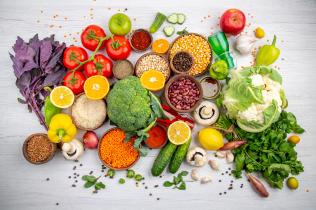 Coronary atherosclerosis is a leading global cause of death. While the Mediterranean diet likely benefits patients after Acute Coronary Syndrome (ACS), the underlying microbiome, immune, and metabolic pathways remain unknown. Understanding these mechanisms is vital for improving secondary prevention and disease management.
- HDHL-INTIMIC launched the Knowledge Platform call in September 2018. The Knowledge Platform was funded in spring 2019 and started the same year.
- In 2017 JPI HDHL launched a rapid action call to support a community-led working group that can push forward the field of diet-related chronic diseases. The working group that has been funded started in 2018 for one year.
 The ‘Healthy Diet, Healthy Life’ (HDHL) initiative is looking for candidates for the position of Chair of the Management Board.
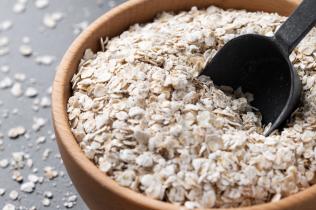 NAFLD affects 25-30% globally, yet lacks specific treatment. Research now targets the liver–gut axis and bile acids. Soluble fibers, like oat β-glucans, may improve liver health by binding bile acids and altering the gut microbiota to improve metabolic parameters.